
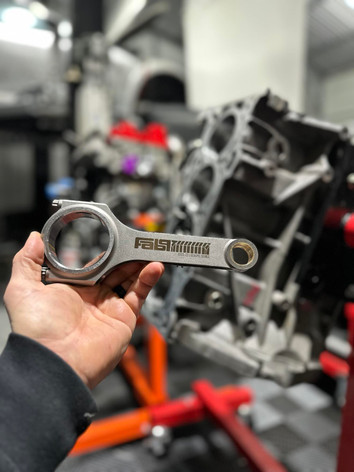
Fab9 Scalpel 2.4L Engine Build Worksheet | Assembly Specs & Clearances Guide
Introducing the Fab9 Scalpel 2.4L Build Specification Worksheet
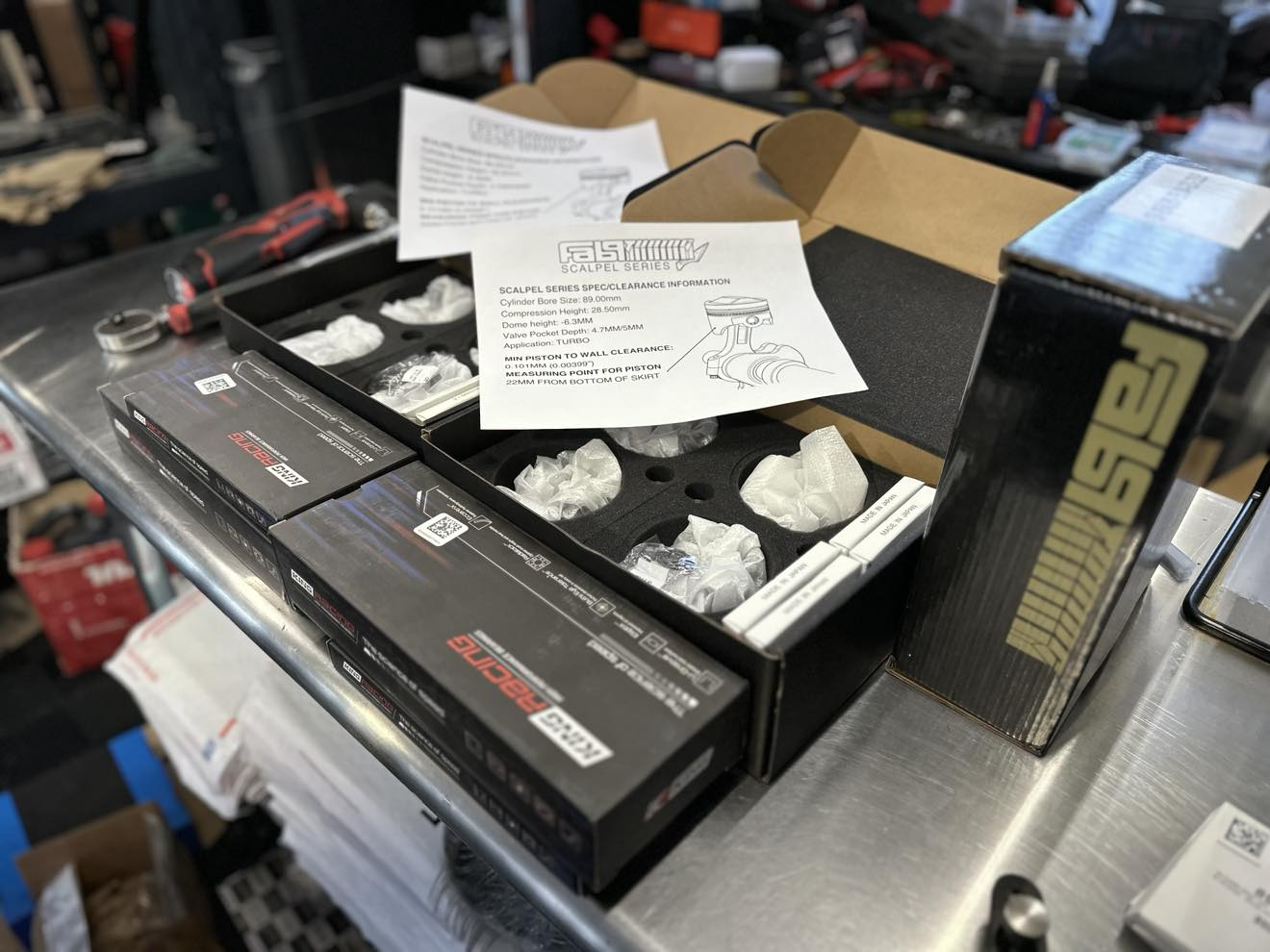
Building a performance engine isn’t just about great parts — it’s about process, precision, and documentation.
If you’re assembling a Fab9 Scalpel 2.4L rotating assembly, we’ve just released a new tool that makes your build cleaner, safer, and more professional from start to finish:
The Fab9 Scalpel 2.4L Build Specification Worksheet
This is the same structured build sheet we use internally to document clearances, torque procedures, and critical measurements during assembly.
Why We Built This
High performance engines live and die by:
-
Proper piston-to-wall clearance
-
Correct ring end gaps
-
Verified bearing clearances
-
Accurate torque and fastener procedures
Too many builds fail because:
-
Measurements aren’t recorded
-
Assumptions are made
-
Or details get skipped during assembly
This worksheet eliminates that.
It gives you a step-by-step, fillable build record that follows the actual assembly flow of the Scalpel 2.4L and forces every critical spec to be:
-
Measured
-
Recorded
-
Verified
-
Signed off
What’s Inside the Worksheet
The Fab9 Scalpel 2.4L Build Sheet includes:
Piston to Wall Clearance Section
-
Exact measurement procedure
-
Correct piston measurement location
-
Per-cylinder recording table
-
Fab9 minimum clearance spec built in
Ring End Gap Section
-
Application-based formulas (NA, Turbo, Nitrous, etc.)
-
Separate top and second ring targets
-
Per-cylinder recording table
-
Ring orientation rules
Bearing Clearance Section
-
Main and rod bearing targets
-
Full journal-by-journal recording table
-
Method tracking (mic + bore gauge or Plastigauge)
Torque Specification Section
-
OEM TTY procedures
-
Fab9 UltraDuty head stud torque process
-
ARP main stud specs
-
ARP 2000 rod bolt torque or stretch recording
Final QC & Builder Sign-Off
-
Checklist-style quality control
-
Builder name, signature, and date
-
Creates a permanent engine build record
Who This Is For
This worksheet is perfect for:
-
DIY builders assembling their own Scalpel 2.4L
-
Machine shops finishing a short block
-
Professional shops building customer engines
-
Anyone who wants a proper, documented, professional-grade build
Why This Matters
A documented build:
-
Protects your investment
-
Prevents costly mistakes
-
Makes troubleshooting easier
-
Adds resale value
-
And most importantly — builds reliable power
If you’re building a Scalpel, you’re not building a junkyard motor. This worksheet matches the level of engineering in the parts themselves.
Available Formats
We provide this build sheet as:
-
A printable worksheet
-
An editable digital file
-
A per-engine build record you can archive
Our Philosophy
At Fab9 Tuning, we don’t just sell parts.
We build systems, processes, and repeatable results.
This worksheet is part of that philosophy.
Download It
If you’re building a Fab9 Scalpel 2.4L rotating assembly, this worksheet should be open on your bench before the first bearing goes in.
Measure everything.
Write everything down.
Build it once. Build it right.